
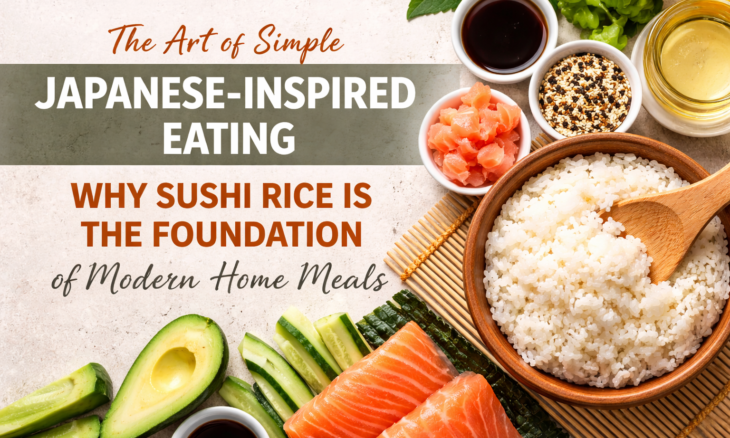
In a world where fast food dominates and meal prep often feels rushed, many people are returning to slower, more intentional ways of eating. One approach gaining quiet popularity is Japanese-inspired home cooking—not for complexity, but for its simplicity, balance, and respect for ingredients.
At the heart of many Japanese meals lies a humble but powerful element: properly prepared rice. And when it comes to sushi-style dishes, the rice is not just a side—it’s the foundation.
This article explores how sushi rice fits into modern lifestyle cooking, why it matters more than most people realize, and how mastering it can elevate everyday meals at home.
Why Japanese-Style Eating Fits Today’s Lifestyle
Japanese cuisine has long been admired for its balance of flavor, nutrition, and presentation. Unlike heavily processed meals, it emphasizes:
- Moderation over excess
- Fresh ingredients over artificial flavoring
- Technique over complication
For people trying to eat better without following extreme diets, Japanese-inspired meals offer a sustainable middle ground.
Sushi rice, when prepared correctly, embodies this philosophy perfectly.
Sushi Rice Is Not “Just Rice”
Many home cooks assume sushi rice is simply boiled rice with vinegar added afterward. In reality, sushi rice requires attention to detail—from the type of grain used to the way it’s cooled and seasoned.
The texture should be:
- Soft but not wet
- Slightly sticky, never mushy
- Lightly seasoned, not sour
This balance allows sushi rice to complement toppings rather than overpower them.
When rice is prepared poorly, even the freshest ingredients can feel underwhelming.
How Sushi Rice Enhances Everyday Home Cooking
You don’t need to make traditional sushi rolls to enjoy sushi rice. In fact, many people use it as a base for everyday meals such as:
- Sushi bowls with vegetables and protein
- Light lunches with avocado and egg
- Simple rice plates paired with grilled fish
Because sushi rice is seasoned, it adds depth to meals without requiring heavy sauces or excess salt.
This makes it ideal for people aiming to eat lighter while still enjoying flavorful food.
Understanding the Technique Makes All the Difference
What separates average rice from excellent sushi rice is technique. Small details—like rinsing properly, using the correct water ratio, and folding in seasoning instead of stirring—have a major impact on the final result.
For those looking to understand the exact process behind authentic sushi rice preparation, this detailed guide breaks it down clearly and practically, especially for home cooks: How To Make Sushi Rice
Rather than overcomplicating things, it focuses on consistency and correct fundamentals—something many beginner recipes skip.
(This is an editorial reference for readers who want deeper, step-by-step context.)
The Lifestyle Shift Toward Intentional Meals
Modern lifestyle trends show a growing interest in:
- Cooking fewer meals, but better ones
- Reducing food waste
- Learning transferable cooking skills
Sushi rice fits neatly into this shift. Once you learn it, the skill applies across multiple dishes and cuisines.
You can cook a single batch and use it throughout the day, saving time while maintaining quality.
Common Misconceptions About Sushi Rice
“It’s only for sushi restaurants”
Not true. Sushi rice is one of the most adaptable rice styles for home use.
“It’s unhealthy because of sugar”
When prepared properly, the sugar content is minimal and balanced. You also control the quantity at home.
“It’s difficult to make”
The process is straightforward once you understand the reasoning behind each step.
Why Texture Matters More Than Flavor
In Japanese cooking, texture is just as important as taste. Sushi rice should feel light, airy, and cohesive—not heavy or clumpy.
This is why cooling the rice correctly and handling it gently is emphasized. Crushing or overmixing ruins the structure and affects mouthfeel.
Mastering texture elevates your cooking far more than adding extra ingredients ever could.
Sushi Rice and Mindful Eating
There’s something calming about preparing sushi rice. The rinsing, measuring, folding, and cooling require patience and focus. This process encourages mindful cooking—a concept increasingly associated with better eating habits and reduced stress.
For many people, cooking sushi rice becomes less about speed and more about presence.
Final Thoughts: A Small Skill With Big Impact
You don’t need to become a sushi chef to appreciate the value of well-made sushi rice. Learning this single skill opens the door to healthier meals, better texture, and a deeper appreciation for food.
In a time when people are searching for balance—not extremes—Japanese-inspired cooking offers a timeless approach. And it all starts with the rice.
If you’re interested in understanding the proper method in detail, the resource linked earlier provides a clear and reliable foundation without unnecessary complexity.